
Historic Home Window Replacement in Cathedral District and McKennan Park
Key Takeaways
- Cathedral District and McKennan Park include homes on the National Register with specific preservation considerations.
- Original wood windows can often be restored for less than replacement, with better long term character preservation.
- When replacement is appropriate, matching original design language matters for both aesthetics and resale.
- Some window projects in historic districts may require design review or preservation compliance.
- The right approach depends on the specific home, current window condition, and owner priorities.
Sioux Falls has meaningful historic housing stock. The Cathedral District, All Saints Historic District, McKennan Park, and portions of central Sioux Falls include homes built between 1890 and 1930 with architectural character worth preserving. Window decisions in these homes carry different weight than in typical mid century or newer construction.
Here is the practical framework for approaching window work in Sioux Falls historic areas.
Understanding Sioux Falls Historic Districts
Several Sioux Falls neighborhoods have formal or informal historic status.
Cathedral Historic District: Formally listed on the National Register of Historic Places. Roughly centered around St Joseph Cathedral and extending several blocks in each direction. Includes homes primarily built between 1880 and 1930.
All Saints Historic District: Also National Register listed. Contains homes and structures reflecting Sioux Falls’s late 19th and early 20th century development.
McKennan Park: Not formally designated as historic but widely recognized as one of Sioux Falls’s most historically significant neighborhoods. Homes primarily built between 1910 and 1940.
Whittier and Pettigrew Heights: Older neighborhoods with significant pre 1930 construction, though not formally designated as historic districts.
Formal historic designation matters for two reasons. First, some exterior work in designated districts may require design review. Second, homes in designated districts typically command premium valuations that depend on maintaining architectural character.
The Restoration Versus Replacement Question
The most consequential window decision in a Sioux Falls historic home is whether to restore existing original windows or replace them entirely.
Original wood double hung windows from the 1900 to 1930 period have real virtues:
- Old growth wood construction that is often more durable than modern wood
- Design language that specifically matches the home’s architectural period
- Individual glass panes that can be replaced when broken without discarding the entire assembly
- Historic value that contributes to property valuation in historic districts
- Meaningful contribution to neighborhood architectural character
Modern replacement windows have real virtues too:
- Better energy performance across all metrics
- Modern hardware that operates smoothly
- Weather sealing that reduces air infiltration
- Lower ongoing maintenance requirements
- Warranty coverage on the new product
The right choice depends on the specific condition of the existing windows and the owner’s priorities.
When Restoration Makes Sense
Original wood windows are candidates for restoration when:
- The wood is sound (no rot, no significant damage)
- The frames are still structurally intact
- Original glass and hardware are largely present
- The owner values historic character and is willing to accept some ongoing maintenance
- Storm windows or interior storm panels can address energy performance concerns
Restoration typically involves stripping and refinishing wood, replacing damaged glass panes individually, rebuilding or replacing hardware, and adding proper weatherstripping. The result is a functional historic window with meaningful character preserved.
Restoration cost typically runs $400 to $800 per window in Sioux Falls, meaningfully less than replacement cost for equivalent premium wood clad windows. The energy performance is less than modern windows but can be substantially improved with storm window additions.
When Replacement Makes Sense
Original windows are candidates for replacement when:
- Wood rot has compromised structural integrity
- Frames are out of plumb or beyond practical repair
- Original glass is largely broken or missing
- Hardware is beyond replacement (unusual patterns no longer available)
- The owner does not value the historic character enough to accept ongoing maintenance
- Energy performance concerns are severe (single pane windows without storm panels)
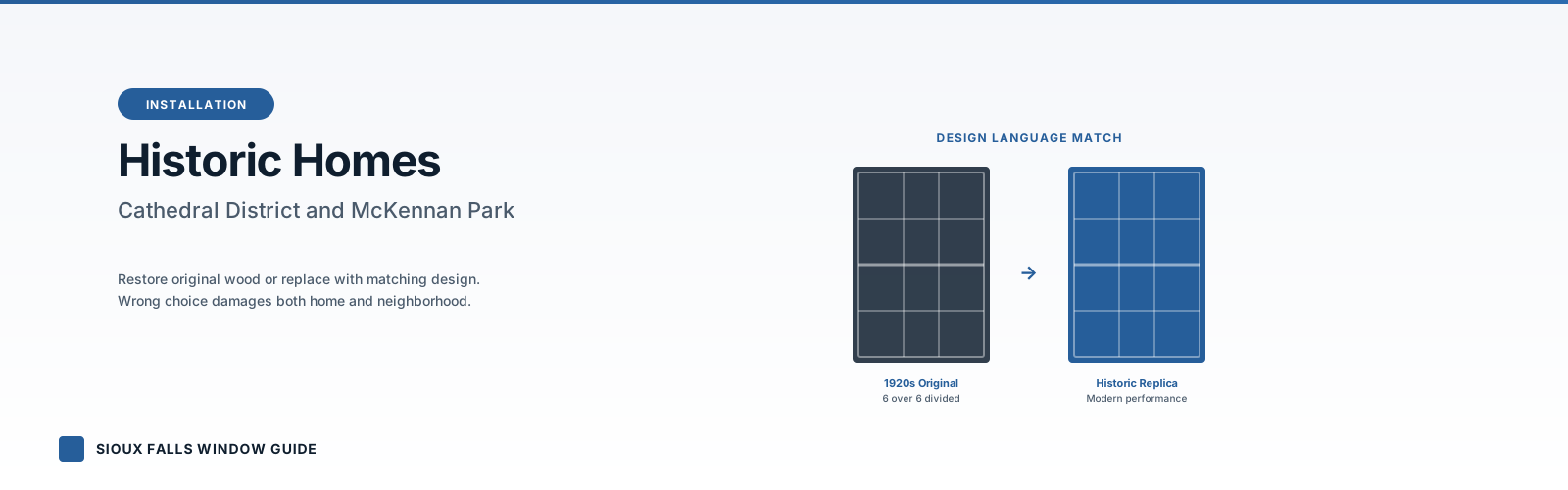
When replacement is the choice, design language matters significantly. Simple vinyl replacement windows in a Cathedral District Queen Anne home look wrong and damage the property’s character.
Choosing Historically Appropriate Replacement Windows
Modern manufacturers offer several product lines designed to match historic architectural styles.
Andersen A Series: Available in historically appropriate configurations including proper meeting rail height, appropriate sash proportions, and traditional grid patterns. Wood interior with painted white or period appropriate finish.
Marvin Ultimate: Specifically designed with historic accuracy in mind. Available in configurations that closely match original wood double hung windows including proper glass to frame proportions and hardware that visually resembles period appropriate options.
Pella Reserve Traditional: Similar historic design intent, though slightly less refined than Marvin Ultimate for the most accurate historic matches.
Regional custom manufacturers: Several regional manufacturers produce true divided light windows and specialty configurations for historic renovations. These typically cost significantly more but deliver the most accurate historic reproduction.
For Cathedral District, McKennan Park, and All Saints homes, the choice between these premium historically appropriate replacements versus basic replacement windows is meaningful. The premium is worth it if you value the home’s architectural character and long term valuation.
The True Divided Light Question
Original windows from the historic period used true divided lights: individual glass panes separated by wood muntins. Modern replacement windows typically use simulated divided lights (SDL): a single insulated glass unit with grids applied to the surface to give the appearance of divided lights.
True divided lights are available from premium manufacturers but at significant premium (often 40 to 60 percent above SDL). Some historic districts and preservation guidelines specifically prefer true divided lights for architectural accuracy.
SDL from premium manufacturers looks close to true divided lights from normal viewing distances. For most Sioux Falls historic renovations, SDL from Marvin Ultimate or Andersen A Series delivers acceptable historic accuracy at more reasonable cost.
For homes on the National Register with strict preservation compliance, true divided lights may be required and worth the premium.
Working with Historic Home Contractors
Sioux Falls has a limited number of contractors experienced with historic home window work.
Look for contractors who explicitly market historic renovation experience. Ask specifically about previous projects in Cathedral District, McKennan Park, or All Saints Historic District. Request photos of completed historic work.
Skip contractors who cannot articulate the difference between insert replacement and full frame replacement in historic contexts. The nuances matter significantly for both preservation and long term envelope performance.
Skip contractors who default to standard vinyl products for historic homes. The recommendation reflects either lack of understanding or lack of caring about historic character.
The Design Review Question
Not all Sioux Falls historic districts require formal design review for window replacement. Cathedral District properties on the National Register may face voluntary preservation guidelines rather than legal requirements.
McKennan Park does not have formal design review requirements.
All Saints Historic District has some preservation considerations but limited formal review requirements.
If you are planning window work in a historic area, check with the Sioux Falls Historic Preservation Commission for current guidance on your specific property. Some projects benefit from voluntary preservation review even when not legally required, particularly if resale value depends on the property’s historic status.
The Energy Performance Compromise
Historically accurate windows often deliver lower energy performance than modern replacement products. The tradeoff is real.
Restored original windows with storm windows: U factor typically 0.35 to 0.50. Meaningful heat loss compared to modern products, but comfortable with proper storm window installation.
Premium historic reproduction (Marvin Ultimate, Andersen A Series with historic configurations): U factor typically 0.24 to 0.30. Close to modern performance with historic aesthetic.
Modern replacement windows without historic considerations: U factor typically 0.18 to 0.28. Best energy performance but potentially damaging to architectural character.
For most historic Sioux Falls homes, the second option (premium historic reproduction) delivers the best balance between preservation and performance. The additional cost over standard replacement is real but justifiable for homes where character matters.
The Bottom Line on Historic Home Windows
Cathedral District, McKennan Park, All Saints, and other Sioux Falls historic areas contain homes worth preserving thoughtfully.
Restoration of original windows is often the right answer when the wood is sound and character preservation matters. Replacement is appropriate when structural integrity is compromised or when owner priorities favor modern performance.
When replacement is the choice, invest in historically appropriate products. The premium over basic replacement windows preserves the character that makes these neighborhoods valuable in the first place.
Choose contractors experienced with historic work. Not every Sioux Falls installer has the sensibility or skills for historic renovation.

Historic home windows are one component of broader preservation and renovation planning. Coordinating window work with roof, siding, and interior renovation delivers better outcomes than isolated projects for historic properties.