
Working with Insurance After Hail Damage on Sioux Falls Windows
Key Takeaways
- Sioux Falls sits in the middle of the primary US hail corridor with frequent damaging storms.
- Window hail damage ranges from surface pitting to complete pane failure.
- Documentation immediately after the storm is critical for claim success.
- Insurance adjusters may miss less obvious hail damage that qualifies for coverage.
- Coordinating hail claims across windows, roof, and siding can improve overall project economics.
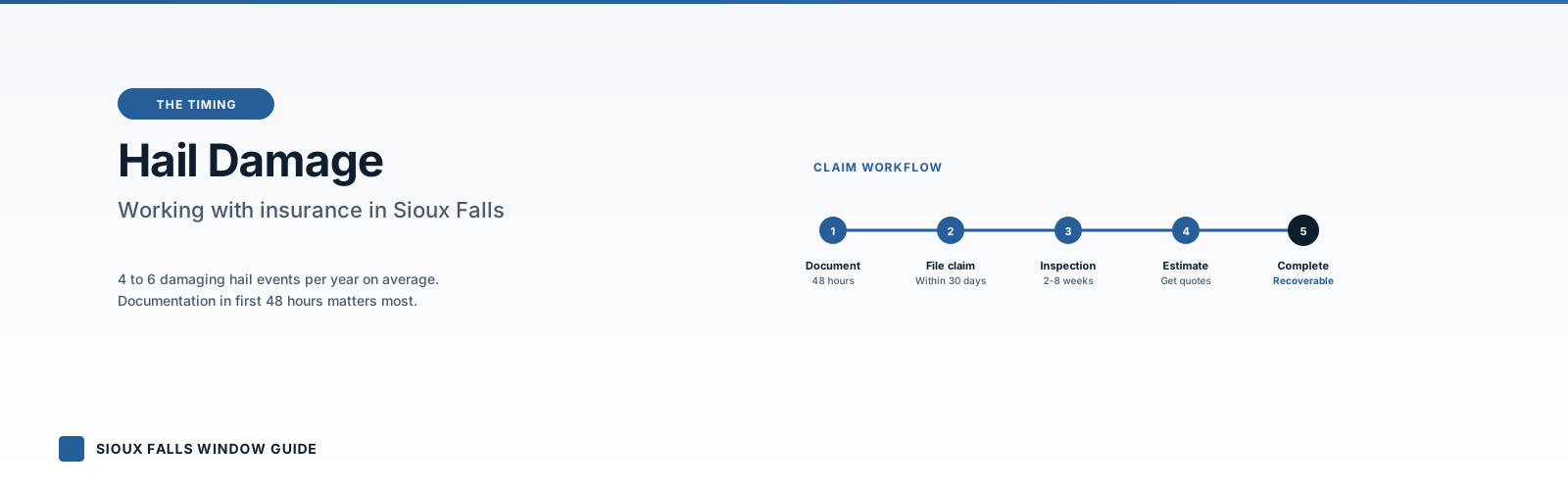
Hail is a regular fact of life in Sioux Falls. NOAA data puts the region in the middle of the primary US hail corridor, with 4 to 6 damaging hail events per year on average. Most Sioux Falls homeowners will experience at least one significant hail event during their tenure, and windows are frequently among the damaged property.
Here is the practical framework for handling hail damage claims specifically for windows, and why coordinating with roof and siding work often improves outcomes.
What Hail Actually Does to Windows
Different sized hail causes different types of window damage.
Small hail (less than 0.75 inch): Generally does not damage windows unless driven by high winds. May cause minor surface pitting on screens but rarely affects glass or frames.
Moderate hail (0.75 to 1.5 inch): Can damage window screens (torn or dislodged), damage exterior trim and cladding, and occasionally cause glass cracking on impact.
Large hail (1.5 to 2.5 inch): Regularly damages glass, either cracking the exterior pane or breaking through both panes. Damages exterior cladding, screens, and hardware. Can dent aluminum clad frames.
Very large hail (over 2.5 inch): Catastrophic damage. Multiple broken windows common, frame damage, structural concerns for framing around openings.
The most recent major Sioux Falls hail events have included several storms with 1.5 to 2 inch hail affecting significant portions of the metro. When these storms hit, thousands of window replacement claims flow through the insurance system in the following weeks and months.
Immediate Documentation After the Storm
The first 48 hours after a hail event matter for claim outcomes.
Photograph all windows from the exterior, particularly on the sides of the house that took direct hail impact. Focus on any visible damage but also capture undamaged windows for comparison.
Photograph the ground around your home showing hail evidence. Adjusters use ground evidence to verify storm severity.
Photograph screens, exterior trim, siding, and roof from ground level.
Note the date and time of the storm and any relevant weather details (wind direction, hail size estimates).
If your area experienced widespread damage, storm chasers and roofing contractors will begin canvassing neighborhoods within days. Some are legitimate. Some are not. Do not sign any contracts before your insurance company has inspected and provided a formal position on your claim.
Filing the Claim
Contact your insurance company promptly, typically within 30 days of the storm, though earlier is better.
Provide the date of loss, general nature of damage, and initial photos. The insurance company will assign an adjuster or arrange a field inspection.
Do not accept an initial phone based assessment. Sioux Falls hail damage requires visual inspection, particularly for windows where damage may not be obvious from initial descriptions.
Expect adjuster inspections within 2 to 8 weeks depending on storm severity and adjuster availability. Major storms create backlogs.
What Adjusters Miss on Windows
Insurance adjusters focus primarily on roof damage during hail claim inspections. Windows often get cursory attention. Common issues that get missed:
Micro cracks in glass: Small impact points that have not yet propagated into visible cracks but represent weakened glass. Under thermal stress from Sioux Falls temperature swings, these often develop into full cracks weeks or months later. Point out any impact marks on glass to the adjuster.
Screen damage: Torn, dislodged, or perforated screens. Often not immediately obvious. Check every screen after any significant hail event.
Seal damage: Impact that has compromised the insulated glass unit seal without cracking the glass. Manifests as fogging weeks or months after the storm. Difficult to document initially but worth noting suspected impacts even without visible seal failure yet.
Frame denting on aluminum clad: Small dents in aluminum cladding that are cosmetic but may qualify for repair under some policies.
Hardware damage: Handles, locks, or operators that were struck. Test all hardware operation after the storm.
If damage becomes apparent weeks after the initial adjuster visit, file supplemental claims. Insurance companies handle supplements routinely, though additional adjuster visits may be required.
The Claim Process for Windows
Once damage is confirmed, the claim process for windows works similarly to other property damage claims.
Estimate development: The insurance company provides an estimate of repair or replacement cost. This is often lower than actual market pricing in Sioux Falls, particularly during high demand periods following major storms.
Contractor selection: You typically choose your own contractor for window replacement. Insurance does not usually require using their preferred providers, though this varies by policy.
Contract execution: Get quotes from qualified contractors. If quotes exceed the insurance estimate, submit them for supplemental coverage. Insurance companies routinely approve supplements when supported by actual contractor pricing.
Work completion: Complete the work with your chosen contractor. Keep detailed documentation of all costs.
Final claim: Submit final costs to insurance. Recover any deductible if applicable to your policy structure.
The Depreciation Question
Insurance settlements often involve depreciation calculations that reduce initial payment.
Actual Cash Value (ACV): Initial payment based on the depreciated value of damaged windows. If your windows were 15 years old, ACV reflects their remaining useful life value, not full replacement cost.
Recoverable Depreciation: The difference between ACV and full replacement cost. Recovered after work is completed, upon submission of final invoices proving replacement occurred.
Replacement Cost Value (RCV): Some policies pay full replacement cost without depreciation deduction. Verify your policy structure.
Total payout can be significantly higher than the initial check if you understand recoverable depreciation and submit final invoices promptly. Some homeowners miss recoverable depreciation entirely by not following up with final documentation.
Coordinating Windows with Roof Work
Major hail events typically damage roofs and windows simultaneously. Insurance often covers both under the same claim. Coordinating the projects delivers real benefits.
Scheduling efficiency: A single project window with roof and window work happening in the same period causes one round of disruption instead of two.
Envelope integration: Coordinating roof work with window replacement allows proper attention to flashing, ventilation, and envelope details at the interface between the roof and upper windows. Uncoordinated projects sometimes miss these interfaces.
Contractor pricing: Some contractors offer better pricing when both projects are combined, particularly if a single general contractor coordinates both trades.
Deductible consideration: Insurance deductibles typically apply once per storm event. Combining roof and window claims under a single storm date means only one deductible instead of two if the events were separated.
For homeowners with hail damage to both roof and windows, coordinating the work is typically the smart move.
The Storm Chaser Warning
Major Sioux Falls hail events attract out of state contractors specifically targeting insurance work. These operators, sometimes called storm chasers, arrive quickly, aggressively canvas neighborhoods, and offer to handle insurance claims on your behalf.
Some are legitimate. Many are not.
Red flags to watch for:
- Offers to handle insurance claims for you, sometimes without a written contract
- Pressure to sign contracts before insurance inspection
- Promises to cover or waive your deductible (illegal in most states including South Dakota)
- Out of state license plates and no established local presence
- Cash only or unusual payment arrangements
- Refusal to provide detailed written contracts with specific product specifications
Legitimate storm response contractors exist and can help you navigate insurance claims. But choose contractors carefully, particularly during high demand periods following major storms.
The Bottom Line on Hail Insurance Claims
Hail damage to Sioux Falls windows is a regular occurrence, and the insurance claim process is manageable when approached systematically.
Document damage immediately. File claims promptly. Do not accept initial estimates without contractor verification. Understand your policy’s depreciation structure. Coordinate with roof and siding work when both are damaged.
Choose contractors carefully. Local contractors with established Sioux Falls presence are generally safer bets than out of state storm response operations for both quality and long term warranty support.
The system works, but it requires informed participation. Homeowners who understand the process consistently get better outcomes than those who accept the first offer.
Major Sioux Falls hail events typically damage both roofs and windows. Coordinating claims and contractor work across both projects delivers meaningful economic and quality benefits. The roofing side of the equation deserves the same claim discipline.